

Something feels off with your loader or articulated truck. Maybe it is a new noise you keep hearing on turns, or a wet spot under the axle that was not there last week. You are not sure if it is nothing or the start of a real problem, and the not-knowing is its own kind of stress when downtime is on the line.
The good part is that a differential usually gives you fair warning. Learning the signs of a bad differential means you can catch trouble while it is still small, instead of getting stranded mid-job with a locked-up axle. A failing differential tends to announce itself through sound, through feel, and through leaks, and each of those tells you something a little different.
This is a calm walk through what to listen for, what to feel for, and what to look for underneath the machine. The goal is a quick self-check you can run yourself, not a vague list of scary words. Keep in mind that symptoms point you in a direction; they do not hand you a final answer. When the signs line up, the right next step is a proper inspection to confirm what is going on before any work begins.
Listen: Differential Noise and Whine
Your ears often catch a differential problem first. A healthy drivetrain has a sound you know by heart, so a new noise that will not go away is worth paying attention to.
Here are the sounds that point toward the differential:
- A rising whine. A differential whine that climbs and falls with your ground speed is a classic sign. It usually means the gears inside are wearing or not meshing the way they should.
- A howl or growl under load. When the noise shows up or gets worse as you pull hard, worn gears or bearings are a common cause.
- A clunk when you change direction. A distinct clunk as you shift from forward to reverse, or the other way, can point to excess play inside the differential.
Not every noise is a differential. But differential noise that tracks with speed, load, or direction changes is a strong clue. If you hear it and it is getting louder over time, that is the machine telling you to look closer rather than wait.
Feel: How the Machine Drives
Apart from what you hear, a failing differential often changes how the machine feels to run. These are the signs you notice through the seat and the controls rather than your ears.
A few things to pay attention to:
- Clunks or shudders on turns. If you feel a jolt or a bump as the machine corners, the differential may be struggling to let the wheels turn at their proper different speeds.
- Vibration that builds with speed. A vibration that was not there before, and that grows as you move faster, can trace back to worn differential components.
- A sense that power delivery is off. Sometimes it is just a feeling that the machine is not putting power down smoothly, like something in the driveline is binding or slipping.
These feel-based signs are among the more common differential failure symptoms, and they often show up alongside the noises above. When you both hear and feel something off, the case for a differential issue gets stronger.
Look: Leaks and Fluid Clues
The third place a differential shows its hand is underneath the machine. A quick look can tell you a lot, and it costs you nothing but a minute.
Watch for these signs when you walk around the machine:
- An axle leaking oil. A wet, oily film or drips around the axle or differential housing points to a seal or gasket that has given up. An axle leaking oil lets the gear oil escape, and low oil speeds up wear fast.
- Fresh spots on the ground. New oil spots under the axle after the machine has been parked are a sign worth tracing to the source.
- Metal in the oil. If you ever check or drain the differential oil and find metal flakes or a gritty feel, that is a sign the gears or bearings inside are wearing down.
A leak matters for two reasons. It points to a failing seal, and it also drains the oil the gears depend on. Running a differential low on oil turns a small problem into a big one quickly, so a leak is one of the signs worth acting on sooner rather than later.
How Urgent Is Each Sign?
Not every symptom means stop the machine right now, but some are more pressing than others. Sorting them by urgency helps you decide what to do next without panicking or ignoring a real problem.
Here is a rough sense of priority:
- Act soon: An axle leaking oil, metal in the oil, or a loud grinding noise. These involve oil loss or active wear, and they get worse fast.
- Investigate promptly: A steady whine or howl, clunks on turns, or vibration that builds with speed. These point to wear that is progressing and deserves a look before it strands you.
- Keep an eye on it: A faint sound you only catch now and then. Worth monitoring and mentioning when you have the machine checked, but not an emergency on its own.
Wherever a sign falls, the smart move is the same. None of these symptoms alone proves exactly what is wrong, so when they add up, get the machine looked at to confirm the cause before deciding on any repair.
When the Signs Point to a Differential
Once a technician confirms the differential is the problem, the next question is parts, and here you have real choices. Advantage Construction Equipment & Parts offers axle and drivetrain parts across CAT, Komatsu, Volvo, and other major brands, with new aftermarket sitting alongside quality used and rebuilt units. Those used and rebuilt pieces deliver real value without giving up reliability, so matching the repair to your machine and your wallet does not mean reaching for the priciest option.
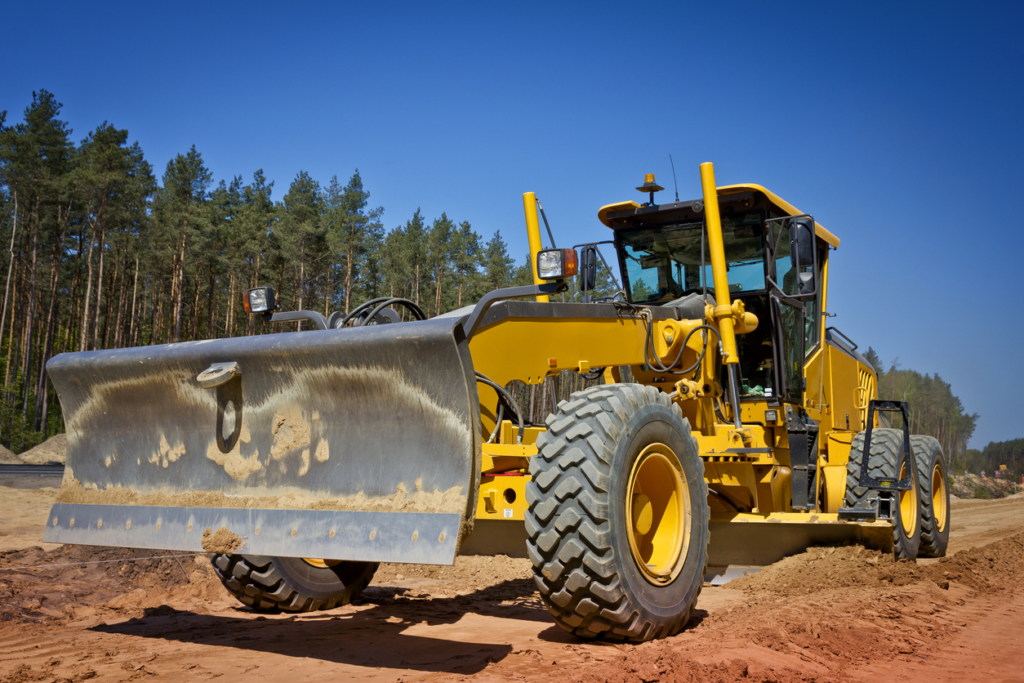
Catching Differential Problems Early
The thread running through all of this is simple. A differential rarely fails without warning, so the operators who stay ahead of trouble are the ones who notice the early signs and act on them.
Pay attention to new sounds, changes in how the machine feels, and anything leaking underneath. When something seems off with your loader or articulated truck, run the quick self-check above, then get a proper inspection to confirm. Catching differential problems early keeps a manageable repair from turning into a stranded machine and a much larger bill.
Get the Differential Parts You Need
When an inspection confirms the differential needs work, getting the parts should be the simple part. Replacement parts for heavy equipment are what Advantage Construction Equipment & Parts does, with coast-to-coast shipping that covers your machine no matter where the job sits. More than two decades in this business means operators get solid parts and plain answers rather than the runaround.
Get in touch and tell the team your machine details and what the repair calls for, and they will help you track down the right part.
Frequently Asked Questions
Which signs of a bad differential show up first?
The earliest signs of a bad differential usually show up as sound. A whine that rises and falls with your ground speed, a howl or growl that gets worse under load, or a clunk when you change direction all point toward the differential. You may also feel clunks or vibration on turns, or spot oil leaking around the axle. No single symptom proves the differential is at fault on its own, but when several show up together, it is a strong signal to get the machine inspected and confirm the cause.
What does a failing differential sound like?
A failing differential often makes a differential whine that tracks with your ground speed, climbing as you go faster and easing as you slow down. It can also howl or growl under load when the gears or bearings are worn. A clunk when you shift between forward and reverse points to too much play inside. These are among the most recognizable differential failure symptoms. If differential noise is getting louder over time, that is your cue to have it looked at before the wear progresses further.
Is an axle leaking oil a serious problem?
An axle leaking oil deserves prompt attention for two reasons. First, the leak itself means a seal or gasket has failed, which is a repair in its own right. Second, and more pressing, the leaking gear oil leaves the differential running low. Gears and bearings depend on that oil, and running short of it speeds up wear quickly. A small leak caught early is a manageable fix. Left alone, low oil can turn a seal issue into serious internal damage, so it is a sign worth acting on soon.
Can I keep working if my differential is showing symptoms?
It depends on which symptom and how strong it is. A faint, occasional sound may be fine to monitor while you arrange an inspection. But active oil loss, metal in the oil, or a loud grinding noise means you should stop and get it checked, because those get worse fast and risk a stranded machine. Running a differential hard while it is clearly failing can turn a repairable problem into a full replacement. When in doubt, the safer call is to have it confirmed before pushing the machine further.
How do I know for sure it is the differential?
You confirm it with a proper inspection, not from symptoms alone. The sounds, feels, and leaks covered here point you toward the differential, but other driveline parts can cause similar signs. A technician can check for gear and bearing wear, measure play, and inspect the oil to pin down the real cause. That is why the right path is always to use the signs as a guide, then get the machine looked at before any parts are bought or work begins. It saves you from paying to fix the wrong thing.