
You already know the EGR cooler has to go. What you want now is a replacement that holds up, not one that lands you right back in the same spot a few months down the road. Buying the right unit the first time saves you the second job.
Knowing how to buy a replacement EGR cooler comes down to checking a few things before you pay. Two coolers can look close in a listing, but what they’re built from and how well they’re made decides whether the new one lasts or fails early.
Let’s walk through what actually matters when you’re buying, expert to expert.
Why the Quick Fix Costs More
A cooler that goes in at a bargain but fails again isn’t the deal it looked like. You pay for the part twice, the labor twice, and your machine sits twice instead of working. That’s the trap a smart buyer avoids.
The goal isn’t grabbing the lowest number on a listing. It’s matching the unit to the job so it delivers full service life. You’re buying for how long the cooler lasts, not for the price on the tag.
At Advantage Construction Equipment & Parts, we specialize in new aftermarket, used, and rebuilt diesel engine parts for Volvo, CAT, and Komatsu so you can source the parts that fit your machine and your plans.
Marker 1: Build Quality
Build quality is the first thing that separates a cooler that lasts from one that fails early. An EGR cooler lives in a rough environment, with heat, pressure, and cycling working on it every hour the machine runs. A well-built unit stands up to that. A poorly built one starts to give way.
This is where two coolers that look alike on screen part ways. What matters is how the unit is put together and how well it handles the conditions it works in.
Signs of a well-built cooler:
- A unit built to handle the heat and pressure your machine actually puts on it
- Solid construction at the joints and connections, where weak coolers tend to fail first
- A cooler matched to your engine’s demands, not just the rough shape of the old one
You can’t always judge build quality from a photo, which is why the source counts as much as the part. Buying from a supplier who specializes in your equipment gives you more confidence that the unit is built for the work.
Marker 2: Materials
Materials decide how well a cooler survives the heat and the coolant flowing through it day after day. The right materials hold up under thermal stress and resist the wear that ends a cooler’s life. The wrong ones break down sooner, and you’re back to shopping for another.
An EGR cooler takes constant thermal cycling, heating up and cooling down through every work cycle. The materials are what stand between steady service and early failure.
A few things materials tell you about a cooler:
- Construction meant to take repeated heat cycling without cracking or fatiguing
- Resistance to the corrosion that eats away at a lesser unit over time
- The kind of durability that carries the cooler through full service
Materials are harder to eyeball than build, so again the source matters. A specialist is in a better spot to offer a cooler made to last rather than one that just fills the space.
Marker 3: Fit
Fit is where a replacement either drops in clean or fights you the whole way. A cooler made to the correct dimensions seats right and seals right. One that’s off, even a little, causes trouble from the first install and can lead to leaks or early failure.
A poor fit shows itself fast. Mounting points that don’t line up, connections that don’t seat cleanly, a unit that needs forcing to go in. Any of those is a sign the cooler wasn’t made to match your machine.
What proper fit gives you:
- A clean install without fighting the unit into place
- Connections that seat and seal the way they should
- The full service life the cooler was built to deliver
Fit ties straight back to buying from a source that knows your equipment. A supplier focused on the specific make of your machines is more likely to get you a cooler matched to your exact application, so it fits right the first time.
New Aftermarket or Rebuilt: Reading the Options
Once you know what a quality cooler looks like, the next question is which route fits your machine. New aftermarket and rebuilt are both solid options.
A new aftermarket EGR cooler hasn’t been in service, so everything about it is fresh. It tends to suit the machines you run hard and plan to keep. A rebuilt cooler is a core brought back to service condition, with the weak points addressed as part of the work. It tends to fit when you want a quality unit at a real saving, and the machine doesn’t call for new.
Neither is a lesser choice. For a lot of buyers, a rebuilt cooler delivers the value they’re after without giving up the reliability the job needs. The smart move is matching the option to the machine rather than defaulting to one.
Build, Materials, and Fit Work Together
No single marker carries the whole load. A well-built cooler made from poor materials still fails early. Great materials on a unit that doesn’t fit still cause you grief. The coolers that last get all three right.
That’s why buying smart means weighing all three together rather than fixing on one point. It’s also why working with Advantage Construction Equipment & Parts helps, since a supplier that concentrates on Volvo, CAT and Komatsu is better positioned to offer coolers where build, materials, and fit come together assuming you have one of these makes.
Buying Smart, Not Just Fast
Knowing how to buy a replacement EGR cooler keeps you out of the trap of the unit that looks fine on screen but fails early. Judge the cooler on build, materials, and fit. Then buy from a source that knows your equipment and stands behind what it sells.
Rebuilt options hold real value and full quality, not a step down. The aim isn’t the lowest price. It’s to buy once and get full life from the cooler, so a second failure doesn’t put you right back where you started.
Get the Right EGR Cooler for Your Volvo
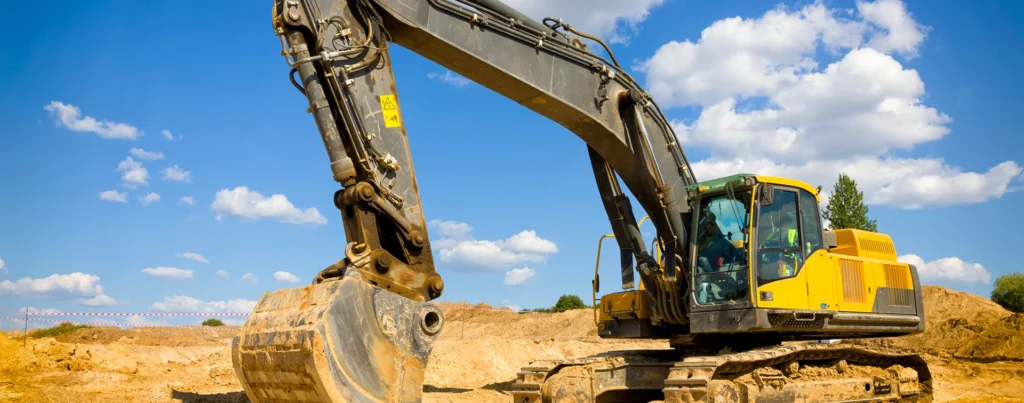
When you’re ready to source a replacement that lasts, working with a Volvo specialist keeps it simple. We specialize in new aftermarket, used, and rebuilt parts for Volvo excavators and other machines.
More than two decades in the business, plus nationwide shipping, means owners and mechanics get the right unit where they need it.
Contact us with your machine details and what you need.
Frequently Asked Questions
What should I check before buying a replacement EGR cooler?
Knowing how to buy a replacement EGR cooler comes down to three markers: build, materials, and fit. Build quality decides how well the unit stands up to the heat, pressure, and cycling of daily work. Materials determine whether it survives repeated thermal cycling and resists corrosion. Fit decides whether it seats and seals right on install. A quality cooler gets all three right. When any one falls short, the unit tends to fail early.
How do I tell a quality EGR cooler from one that will fail early?
Two coolers can look alike in a listing yet perform very differently. Build quality shows in solid construction at the joints and connections, where weak units fail first. Materials show in how well the cooler takes repeated heat cycling without cracking or corroding. Fit shows on install, when a quality unit seats clean and a poor one fights you. Since build and materials are hard to judge from a photo, the source matters as much as the part itself.
Is a rebuilt EGR cooler a smart buy?
Yes. A rebuilt EGR cooler is a quality option at a real saving, not a lesser part. It’s a core brought back to service condition, with the weak points addressed as part of the work. For many machines, a rebuilt cooler delivers the value you’re after without giving up reliability. The goal in buying smart is full service life, not the lowest number on a listing. What matters most is matching the option to your machine and working with a supplier who knows these units.
Why does the supplier matter when buying an EGR cooler?
Because build and materials are hard to judge by eye, the source becomes part of the quality. A supplier who concentrates on your equipment brand is better positioned to offer a cooler matched to your exact application, so it fits right and holds up. Instead of wondering whether a unit measures up, you’re working with someone focused on parts for machines like yours.