
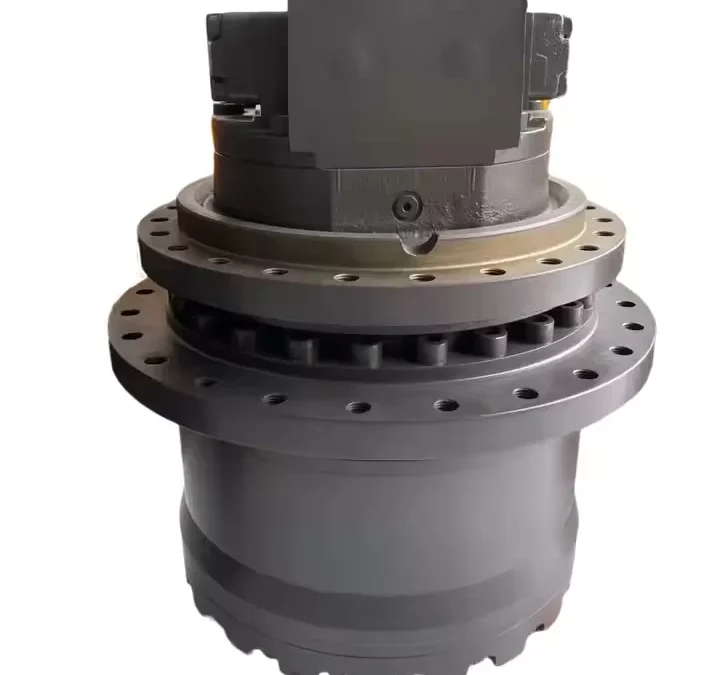
Ask anyone who has replaced a final drive, and they will tell you it is not a small bill. It is one of the pricier parts on the machine, and the gears inside live a hard life. The good news: a lot of that expense comes from something you can get ahead of with a task that takes under an hour.
A regular final drive oil change is that task. It is basic upkeep a hands-on operator can knock out, and it does more to protect that unit than almost anything else you do. Skip it long enough and you trade a small maintenance cost for a big repair one. Stay on top of it and the unit tends to go the distance.
This is not a pitch that fresh oil fixes a worn-out drive. Once the gears and bearings are gone, they are gone. The point here is prevention, keeping a healthy unit healthy so you are not shopping for a replacement too soon.
Why Final Drive Oil Wears Out
The oil in your final drive is not just sitting there. It is working every hour the machine runs, and it does not last forever.
Inside the housing, the gears and bearings churn under heavy load. That generates heat, and heat is hard on oil. Over time, the oil breaks down and loses the qualities that let it protect metal. Normal wear also sheds tiny metal particles into the oil, and moisture can sneak past seals and mix in. What started as clean, protective final drive gear oil slowly turns into a gritty fluid that does a worse and worse job.
Here is the part that catches people. The oil can look fine while its protective punch is mostly gone. By the time you can obviously see the problem, the wear has often already started. That is why a schedule beats waiting for trouble to show itself.
What Happens When You Ignore It
Running a final drive on tired oil is a slow motion problem. It does not blow up on day one. It grinds away quietly until the bill lands.
When the oil stops protecting properly, a few things follow:
- The gears and bearings wear faster than they should, with metal rubbing metal instead of riding on a clean film
- Heat climbs because worn oil sheds it poorly, and the added heat speeds up the damage
- Contamination builds, so the grit already in the oil keeps chewing at the surfaces it is supposed to protect
- Small issues turn into a failed unit, and a failed final drive can strand the machine mid job
None of that is dramatic in the moment, which is exactly why it gets ignored. Staying on top of excavator final drive maintenance is really just refusing to let that slow damage build.
When to Change Final Drive Oil
The honest answer to when to change final drive oil is that it depends on the machine and how hard you run it. A drive working long days in heat and grit needs attention sooner than one on lighter duty. Do not guess. Your machine’s service manual lays out the interval the maker intends, and that is your baseline.
A practical routine looks like this:
- Check the oil regularly. A quick look on a set schedule catches low oil or an obvious change in condition before it becomes a problem.
- Change on the manufacturer’s interval. Follow what your manual calls for, and lean toward the shorter end if you work in tough conditions.
- Watch the oil that comes out. What drains out tells you a lot, which we will get into below.
- Check after any sign of trouble. A new noise, a leak, or a hot-running drive is a reason to look, not to wait for the next scheduled change.
Think of the interval as a floor, not a ceiling. Nobody ever wore out a final drive by changing the oil a little early. The whole idea behind good final drive service is catching wear while it is still simple and low-cost to deal with.
Reading the Oil You Drain
The oil you pull out is a status report on the unit. Learning to read it turns a routine change into an early warning system.
A few things to look for as it drains:
- Color and clarity. Clean gear oil has a consistent look. Dark, murky, or badly discolored oil points to heat and breakdown.
- Metal. A little fine shimmer can be normal. Chunks, flakes, or a heavy metallic sludge is a red flag that the gears or bearings are wearing.
- Milky look. A cloudy, milky fluid usually means water has gotten in, and water is rough on the internals.
- Smell. A burnt smell suggests the oil has been running too hot for too long.
If what comes out looks bad, do not just refill and forget it. That is the unit telling you to look closer before the wear runs away from you. Matching the right gear oil for final drive service and filling to the correct mark matters too, so check the manual for the grade and amount.
When Prevention Is Not Enough
Oil changes protect a healthy unit. They do not bring back one that is already worn out. If the drive is making noise, leaking steadily, or showing heavy metal in the oil, you may be past the point where upkeep helps.
That is not a failure on your part. Final drives wear out, even well cared for ones, and eventually a replacement is the right call. When you reach that point, Advantage Construction Equipment & Parts offers final drives in new aftermarket, used, and rebuilt form for CAT, Komatsu, Volvo, and other major brands. Used and rebuilt units are quality parts at real savings, not lesser ones, which lets you fit the replacement to your machine and your plans.
Get the Parts to Keep Your Machine Working
Good upkeep buys you time, and when a final drive finally needs replacing, a broad parts source makes it painless. Advantage Construction Equipment & Parts handles heavy equipment replacement parts with nationwide shipping, so the right unit reaches you whether the machine sits nearby or a few states away. Two decades and then some in the business means operators get the drivetrain parts they need without the runaround.
Get in touch with your machine details and the part you are chasing, and we will help you track down the one that fits.
Frequently Asked Questions
How often should I do a final drive oil change?
The right interval for a final drive oil change depends on the machine and how hard it works. Your service manual sets the baseline, and that is the number to follow. A drive running long days in heat and grit may need changing sooner, so lean toward the shorter side in tough conditions. Beyond the scheduled change, check the oil regularly, and look any time a new noise, leak, or hot-running unit shows up. Changing a little early never hurts a final drive.
What kind of gear oil goes in a final drive?
The correct gear oil for final drive service is whatever your machine’s manual specifies, both the grade and the fill amount. Using the right final drive gear oil and filling to the proper mark matters as much as the change itself, since the wrong grade or a low fill will not protect the gears the way it should. When in doubt, go by the manual rather than guessing.
What does it mean if the oil is milky or has metal in it?
Both are warning signs worth taking seriously during excavator final drive maintenance. A milky, cloudy look usually means water has worked its way in, which is hard on the internals. Fine shimmer can be normal, but chunks, flakes, or heavy metallic sludge point to gears or bearings wearing down. Either one is a reason to look closer rather than just refill. Catching it early, while it is still simple to address, is the whole reason to watch what drains out.
Can an oil change fix a final drive that is already failing?
No, and it is important to be straight about that. A final drive service protects a healthy unit; it does not restore one that is worn out. If the drive is making noise, leaking steadily, or showing heavy metal in the oil, upkeep alone will not turn it around. At that point, a replacement is the right call. The value of regular oil changes is in prevention, keeping a good unit good, not in rescuing one that is already gone.
Where can I get a replacement final drive if mine is worn out?
Advantage Construction Equipment & Parts offers drivetrain parts including final drives in new aftermarket, used, and rebuilt form, covering CAT, Komatsu, Volvo, and other major brands, with nationwide shipping. Used and rebuilt units are quality parts at a real saving, so you can fit the replacement to your machine without overpaying. Knowing when to change final drive oil helps you get the most life out of the unit you have, and once it does wear out, send along your machine details and we will help you find the right replacement.