
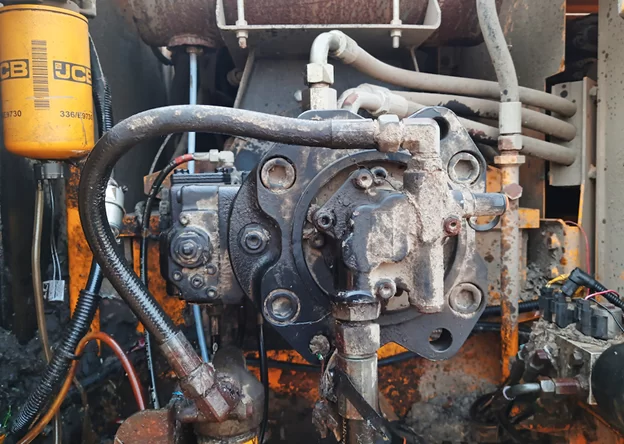
A hydraulic hose lets go during operation. Hot fluid sprays across your machine and the work area. Your equipment shuts down immediately. The cleanup takes hours. The repairs take days. And the bill keeps climbing.
Blown hydraulic hoses create expensive problems. But they rarely fail without warning. Most catastrophic hose failures show hydraulic hose replacement signs long before they blow.
Learning to spot these warning signs means replacing hoses on your schedule instead of dealing with emergency breakdowns. Preventive replacement avoids the complications of catastrophic failure.
Let’s walk through what to look for and when to act.
The Real Cost of a Blown Hydraulic Hose
When a hydraulic hose fails catastrophically, the direct repair cost is just the beginning.
Immediate costs include the following:
- Lost hydraulic fluid that needs replacement
- Cleanup of spilled fluid from the machine and work area
- Labor time to diagnose, remove, and replace the failed hose
- Machine downtime while repairs are completed
- Potential environmental cleanup if fluid reaches soil or water
Hidden costs can include:
- Damage to other components from fluid spray or loss of pressure
- Lost productivity while equipment sits idle
- Contamination of the hydraulic system from debris entering through the breach
A preventive hose replacement might cost you an hour of downtime and the price of a new hose. A catastrophic failure involves significantly higher costs.
Warning Sign 1: External Cover Damage
The outer cover of your hydraulic hose protects the reinforcement layers and inner tube from environmental damage. When this cover shows damage, the hose integrity is compromised.
What to look for:
Cuts and abrasion: Deep cuts that expose the reinforcement layer underneath mean the hose has lost its protective barrier. Abrasion from rubbing against other components creates weak spots that can lead to failure.
Weather cracking: Small cracks in the outer cover, especially in older hoses, indicate the rubber has degraded from UV exposure, ozone, or age. These cracks allow moisture to reach the reinforcement layers.
Blistering or bubbling: Raised areas on the hose surface suggest internal problems. This can indicate delamination between layers or contamination of the hose material.
Check hoses where they route near sharp edges, moving parts, or contact points. These areas experience the most abrasion and are likely to show damage first. Pay attention to hoses exposed to direct sunlight or harsh weather, as environmental factors accelerate cover deterioration.
Warning Sign 2: Fitting Problems
Hose fittings connect your hoses to the hydraulic system. Problems at these connection points often show up before the hose itself fails.
Common fitting issues:
Weeping or seepage around fittings: Even small amounts of fluid around a fitting indicate the seal is compromised. This usually worsens over time as vibration and pressure cycles stress the connection.
Corrosion on metal fittings: Rust or corrosion weakens fittings and indicates moisture exposure. Corroded fittings can fail suddenly under pressure.
Loosening fittings: Fittings that require frequent tightening suggest problems with the connection, threads, or hose ferrule crimp.
Damaged or deformed fitting bodies: Bent, crushed, or gouged fittings compromise the seal and create stress points that can lead to leaks or separation.
Inspect fittings during every walkaround. Wipe fittings clean and check for fresh fluid after operation. A fitting that stays dry is working properly. One that shows a new fluid has developed a leak.
Warning Sign 3: Bulging or Soft Spots
A properly functioning hydraulic hose maintains a consistent diameter and firmness along its length. Bulging or soft areas indicate serious internal damage.
What Causes Bulging
When the reinforcement layer inside a hose fails, hydraulic pressure pushes the inner tube outward. This creates a visible bulge that grows larger over time. The bulge is basically a bubble waiting to burst.
What to Check
Run your hand along hoses while the system is not pressurized. Feel for any areas that seem softer or less firm than the rest of the hose. Look for visible diameter changes, especially near fittings or at bend points.
Bulging hoses need immediate replacement. They have already failed internally and can rupture at any time. Don’t wait for your next scheduled maintenance. Replace bulging hoses as soon as you spot them.
Warning Sign 4: Age-Based Replacement
Even hoses that look fine externally have a service life. The materials degrade over time regardless of appearance.
The 5-7 Year Guideline
Most hydraulic hose manufacturers recommend replacement after five to seven years of service, even if the hose shows no obvious damage. This accounts for material degradation that happens with age.
Factors affecting hose life include operating temperature extremes, pressure cycling, environmental exposure, and fluid compatibility. Hoses in harsh conditions may need replacement sooner.
Track Hose Age
Mark new hoses with the installation date using tags or a permanent marker. Keep records of when critical hoses were replaced.
Don’t wait until hoses reach ten or fifteen years. By that point, material degradation significantly increases failure risk.
Creating a Hose Inspection Routine
Systematic inspection catches problems before they become emergencies.
Daily Walkaround Checks
- Look for fresh fluid on or around hoses and fittings
- Check for obvious damage from contact with moving parts
- Verify hoses aren’t rubbing against sharp edges or hot surfaces
Weekly Detailed Inspections
- Wipe hoses clean and examine the outer cover for damage
- Feel along the hose length for soft spots or bulging when system is not pressurized
- Check all visible fittings for weeping, corrosion, or damage
Quarterly Comprehensive Checks
- Review hose installation dates and identify those approaching replacement age
- Inspect difficult-to-reach hoses using mirrors or cameras if necessary
- Document the condition of critical hoses for trending
Pick a realistic schedule you can maintain consistently.
Prevention Is Cheaper Than Repair
Catching hydraulic hose replacement signs early means replacing hoses on your terms. You choose the timing. You order parts in advance. You schedule the work during planned maintenance.
Waiting for catastrophic failure means dealing with problems on the hose’s terms. Emergency repairs. Rushed parts orders. Unplanned downtime. Cleanup and contamination.
The warning signs are there. External cover damage tells you the hose is losing protection. Fitting problems indicate connection issues developing. Bulging shows internal failure already happening. Age reminds you that time takes its toll regardless of appearance.
Get the Hoses You Need
When inspection reveals hoses that need replacement, having the right parts matters. At Advantage Construction Equipment and Parts, we specialize in Volvo equipment parts, including hydraulic components.
With over 20 years of experience serving equipment owners, we offer aftermarket, used, and rebuilt parts. We specialize exclusively in Volvo equipment and hydraulic components.
Contact us with your machine model and hose specifications. We work with equipment owners across different industries.
Frequently Asked Questions
What are the most common hydraulic hose replacement signs?
The most common hydraulic hose replacement signs include external cover damage like cuts, abrasion, or weather cracking that exposes inner layers. Fitting problems such as weeping, corrosion, or loosening indicate developing issues. Bulging or soft spots along the hose length show internal reinforcement failure. Age is also a critical factor, with most hoses needing replacement after five to seven years regardless of visible condition. Any of these signs warrants immediate attention and likely replacement.
How often should I inspect hydraulic hoses?
Perform daily walkaround checks looking for fresh fluid, obvious damage, and proper hose routing. Conduct weekly detailed inspections examining the outer cover, feeling for soft spots, and checking fittings when the system is not pressurized. Complete quarterly comprehensive checks that include reviewing hose ages, inspecting hard-to-reach areas, and documenting conditions. The specific frequency depends on your operating conditions, but regular inspection catches problems before catastrophic failure.
Can I repair a damaged hydraulic hose, or should I replace it?
Replace damaged hydraulic hoses rather than attempting repairs. External cover damage, fitting leaks, bulging, or age-related degradation all indicate the hose has compromised integrity. Attempting to repair hoses with tape, clamps, or sealants creates temporary fixes that fail under pressure. The cost of replacement is minimal compared to the consequences of a catastrophic failure during operation. When inspection reveals problems, plan for replacement.
Why do hydraulic hoses have age limits even when they look fine?
Hose materials degrade over time from factors including temperature cycling, pressure pulsing, UV exposure, ozone, and chemical exposure from fluids. This degradation happens internally, where you can’t see it. The reinforcement layers weaken. The inner tube loses elasticity. Material bonds between layers deteriorate. The 5-7 year replacement guideline accounts for this invisible degradation. Waiting until hoses show obvious external problems means the internal structure has already significantly weakened.
Where can I get replacement hydraulic hoses for my Volvo equipment?
At Advantage Construction Equipment and Parts, we specialize in Volvo equipment parts, including hydraulic components. We offer aftermarket, used, and rebuilt parts for Volvo equipment. With over 20 years of experience serving equipment owners, we focus on Volvo parts. Contact us with your machine model and hose location information.