

Your Volvo excavator or loader represents a significant investment. You want maximum life from that engine. You change the oil, replace filters, and follow the basics. But there’s one practice that makes more of a difference than almost anything else.
Volvo engine maintenance tips often focus on oil changes and filter replacements. Those matters, but the single biggest factor in engine longevity is something many operators overlook: proper turbo cool-down.
This isn’t complicated. It doesn’t require special tools or expensive parts. But getting it right can literally double your engine life. Getting it wrong destroys turbos and shortens engine life by thousands of hours.
The Maintenance Mistake That Kills Volvo Engines Early
Walk onto most job sites, and you’ll see the same pattern. Equipment runs hard all day. When quitting time comes, operators shut down immediately. The engine goes from full working temperature to off in seconds.
This hot shutdown is killing turbos. And when turbos fail, they often take engines with them.
The turbocharger spins at extremely high speeds during operation. When you’re working the machine hard, the turbo can reach speeds over 100,000 RPM. The turbo bearings depend completely on oil flow for cooling and lubrication.
When you shut down immediately after working under load, oil flow stops instantly. But the turbo is still incredibly hot. That residual heat bakes the oil left in the turbo bearings, creating carbon deposits and sludge that damage bearings and restrict oil passages.
Understanding Turbo Cool-Down
A proper cool-down gives your turbo time to slow down while the oil is still circulating. This prevents heat damage and dramatically extends turbo life.
Before shutdown, let your engine idle for three to five minutes after heavy work. This cool-down period allows the turbo to slow down gradually while oil is still flowing and cooling the bearings. Heat dissipates, and moving parts get proper lubrication as they slow down.
This simple practice is the difference between turbos lasting 5,000 hours and lasting 10,000+ hours. Proper cool-down genuinely doubles turbo life in many cases.
The Delayed Engine Shutdown Feature
Many newer Volvo machines include an automatic delayed shutdown feature. This system keeps the engine running at idle for a preset time after you turn the key off.
Here’s how to use it properly:
When you’re finished working for the day, turn the key to the off position. The engine continues idling automatically. After the preset cool-down period (usually three to five minutes), the engine shuts down on its own.
This feature removes human error from the equation. You don’t have to remember to idly. You don’t have to sit there watching the clock. The machine handles cool-down automatically.
If your machine has this feature, use it. If you’re not sure whether your machine has delayed shutdown, check your operator’s manual or look for the setting in your machine’s display.
For older machines without this feature, you need to manage cool-down manually. Set a timer on your phone if you need to. The few minutes of idle time pay massive dividends in engine and turbo longevity.
Oil Quality and Turbo Life Connection
Oil quality directly affects how well your turbo survives heat stress. High-quality oil resists breakdown at high temperatures better than cheap oil.
Your turbo operates at extreme temperatures. The exhaust side can reach over 1,000 degrees Fahrenheit. Only a thin oil film separates the spinning shaft from bearing damage.
Quality oil maintains its protective properties even under extreme heat. Cheap oil or oil used beyond change intervals breaks down and provides poor lubrication. Even with proper cool-down, degraded oil damages turbo bearings faster.
Follow Volvo’s specifications for oil grade and viscosity. Change oil at recommended intervals or shorter if you work in dusty or demanding conditions.
Signs Your Engine Is Suffering From Improper Cool-Down
If you’ve been shutting down hot, your turbo may already show damage. Watch for these warning signs:
- Blue or white smoke on startup indicates oil getting past damaged turbo seals
- Loss of power from a turbo that can’t build proper boost pressure
- Unusual whining, squealing, or grinding noises from the turbo area
- Excessive oil consumption from oil passing into the intake or exhaust
- Oil in the intake system or air filter housing
Catching these signs early lets you address turbo issues before they cause engine damage.
Other High-Impact Maintenance Practices
While proper cool-down is the single biggest factor, other practices also significantly affect engine life:
- Clean air filtration: Check filters regularly and replace when needed
- Fuel quality: Use quality fuel and maintain your fuel filtration system
- Coolant maintenance: Follow recommended coolant change intervals
- Regular oil analysis: Oil sampling reveals developing problems before failures
These practices work together with proper cool-down to maximize engine life.
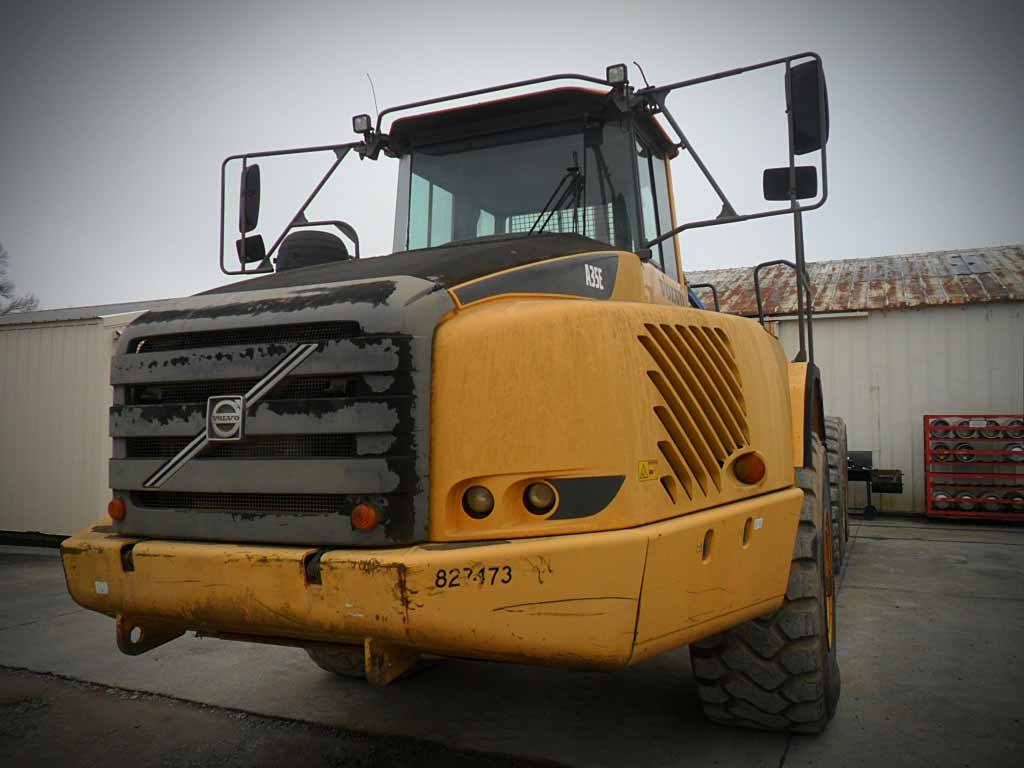
Getting Parts for Your Maintenance Routine
Proper maintenance requires quality parts. At Advantage Construction Equipment and Parts, we specialize in Volvo parts, including filters, fluids, and turbo components.
We offer aftermarket, used, and rebuilt parts for Volvo equipment. Whether you need oil filters, fuel filters, air filters, or turbocharger components, we work with various Volvo parts categories.
We’ve been serving Volvo equipment owners for over 20 years. Our focus on Volvo parts means we understand what equipment owners need for proper maintenance.
When you need parts for your maintenance routine, contact us about what you’re looking for. We specialize in Volvo equipment parts.
Key Takeaways
The simple practice of proper turbo cool-down can double your Volvo engine life. Let your engine idle for three to five minutes after heavy work before shutdown. This allows the turbo to slow down while oil is still circulating and cooling the bearings.
Use the delayed shutdown feature if your machine has it. This automates the cool-down process and removes human error.
Combine proper cool-down with quality oil, regular filter changes, and other basic maintenance. These practices work together to maximize engine longevity.
Watch for signs of turbo damage like smoke, power loss, unusual noises, or excessive oil consumption. Catching problems early prevents catastrophic engine damage.
The few minutes you spend on cool-down save thousands in repair costs and extend your engine life by thousands of hours.
Volvo Engine Maintenance Tips: Frequently Asked Questions
What is the most important Volvo engine maintenance practice?
The most important Volvo engine maintenance tip is proper turbo cool-down. Let your engine idle for three to five minutes after heavy work before shutdown. This allows the turbocharger to slow down while oil is still circulating, preventing heat damage to turbo bearings. Hot shutdowns cause oil to bake in the turbo bearings, creating deposits that lead to premature turbo failure. Many newer Volvo machines include automatic delayed shutdown features that handle this cool-down automatically.
How long should I let my Volvo engine idle before shutdown?
Idle your Volvo engine for three to five minutes after heavy work before shutdown. This cool-down period allows the turbocharger to slow down gradually while oil continues circulating and cooling the bearings. The exact time depends on how hard you’ve been working the machine. After light work, a shorter cool-down is acceptable. After sustained heavy work, give it the full five minutes. If your machine has a delayed shutdown, it will handle this timing automatically.
What happens if I shut down my Volvo engine without a cool-down?
Shutting down without a cool-down causes oil to bake in the turbo bearings, creating carbon deposits and sludge. Over time, this damages bearings, restricts oil passages, and leads to turbo failure. A failed turbo often sends metal debris into your engine cylinders, causing catastrophic engine damage. Hot shutdowns can cut turbo life in half or worse. Signs of damage include blue or white smoke, power loss, unusual noises, excessive oil consumption, and oil in the intake system.
Does oil quality really affect Volvo engine life?
Yes, oil quality directly affects turbo and engine life. High-quality oil resists breakdown at the extreme temperatures turbos operate at (over 1,000 degrees Fahrenheit on the exhaust side). Quality oil maintains its protective film even under heat stress. Cheap oil or oil used beyond its change interval breaks down, providing poor lubrication and cooling. Combine degraded oil with hot shutdowns, and you guarantee premature turbo failure. Follow Volvo’s oil specifications and change at recommended intervals or shorter in demanding conditions.
Where can I get parts for Volvo engine maintenance?
At Advantage Construction Equipment and Parts, we specialize in Volvo parts, including filters, fluids, and turbocharger components. We offer aftermarket, used, and rebuilt parts for Volvo equipment. With over 20 years of experience serving Volvo equipment owners, we focus on the parts needed for proper maintenance. Contact us about oil filters, fuel filters, air filters, turbo components, or other maintenance parts you need for your Volvo equipment.